

🧠 Introduction
Augmented Reality (AR) and Virtual Reality (VR) are no longer just futuristic concepts—they are actively transforming how we learn, work, and interact with the digital world. From gaming and entertainment to industrial safety and education, AR/VR devices are creating immersive experiences that were once unimaginable. In 2026, these technologies are not just trends—they are essential tools for innovation.
🔍 What Are AR and VR?
Augmented Reality (AR) enhances the real world by overlaying digital elements like images, sounds, or data onto your surroundings.
Virtual Reality (VR), on the other hand, creates a completely immersive digital environment where users can interact with a simulated world.
While AR keeps you connected to reality, VR takes you into a fully virtual experience. The rise of Mixed Reality (MR) now combines both, allowing real and virtual elements to interact seamlessly.
🎮 Top AR/VR Devices in 2026
🔹 Meta Quest 3
One of the most popular standalone VR headsets, offering powerful performance and mixed reality features. It’s widely used for gaming, virtual collaboration, and training simulations.
🔹 Sony PlayStation VR2
Designed for console gaming, this headset delivers ultra-realistic graphics and immersive gameplay experiences for PlayStation users.
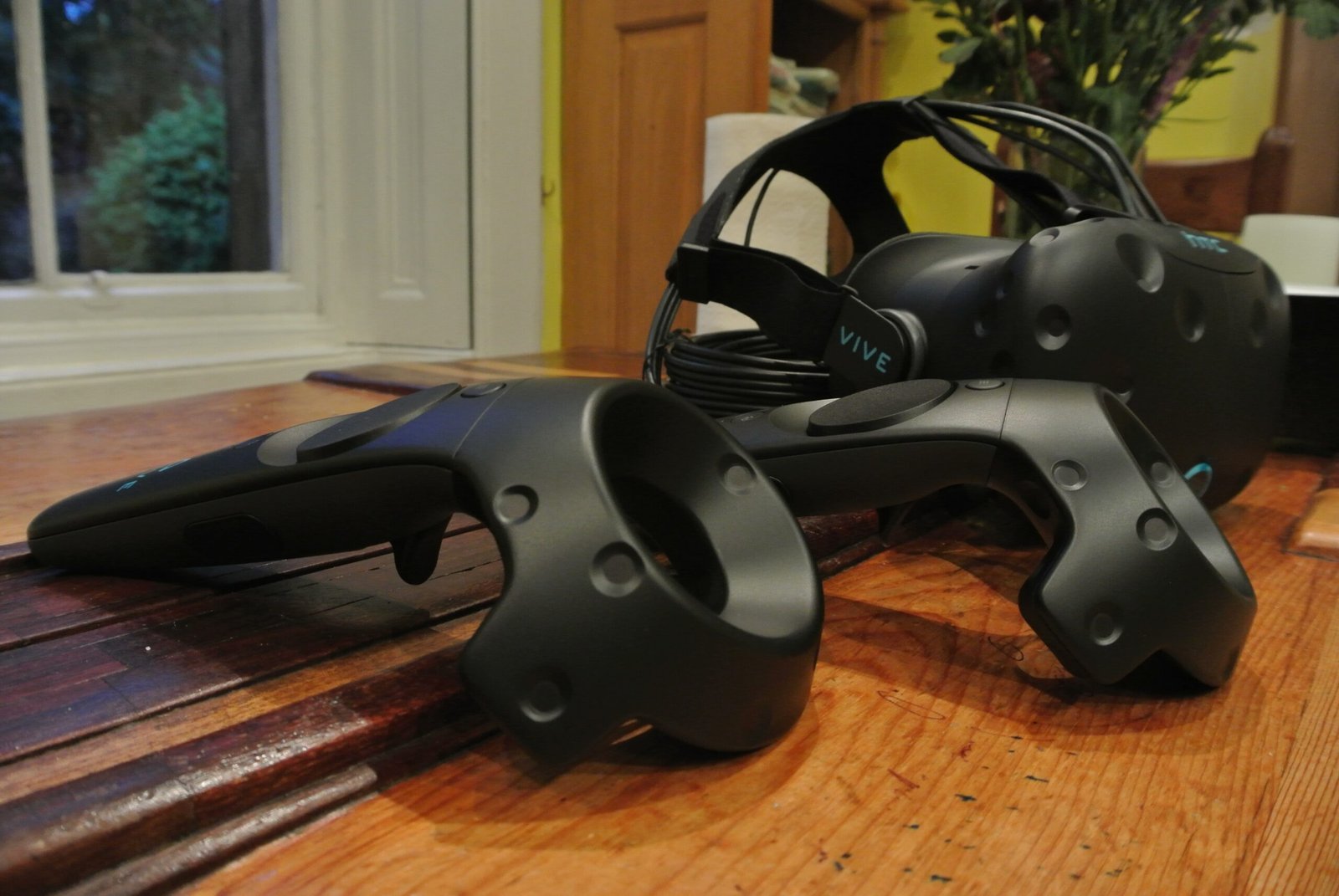
🔹 HTC Vive Pro 2
A premium VR system known for its high resolution and precision tracking, making it ideal for professional applications and enterprise training.
🔹 Meta Quest 3S
A budget-friendly alternative that still offers impressive VR capabilities, making immersive technology accessible to a wider audience.
🏭 Real-World Applications
🔸 Industrial Training
Companies are using VR to simulate dangerous environments like fire hazards, construction risks, and machinery operations. This allows employees to learn safely without real-world consequences.
🔸 Education
Students can explore virtual labs, historical sites, and 3D models, making learning more interactive and engaging.
🔸 Healthcare
Doctors use VR for surgical training and AR for real-time assistance during medical procedures.
🔸 Gaming & Entertainment
The gaming industry continues to lead AR/VR adoption, offering deeply immersive and interactive experiences.
🔮 Why AR/VR Matters
The biggest advantage of AR/VR is experience-based learning. Instead of just reading or watching, users can experience scenarios in real time. This leads to better understanding, higher retention, and improved performance.
For industries like safety training (especially relevant to your CHRP-INDIA projects), VR can simulate real-life accidents and teach prevention strategies—saving lives and reducing risks.
✅ Conclusion
AR and VR technologies are rapidly becoming a part of everyday life. With devices like Meta Quest 3 and HTC Vive Pro 2 leading the way, the future of immersive technology looks incredibly promising. Whether it’s gaming, education, or industrial safety, AR/VR is redefining how we interact with the world.
As technology continues to evolve, one thing is clear: the future is immersive—and it’s already here.
